____ Are Essentially Upside-down Mice That Can Be More Comfortable to Use Than a Conventional Mouse.
Mouse Facts: Habits, Habitat & Types of Mice
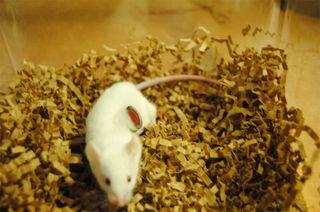
A mouse is a small rodent with a pointed nose, furry round body, large ears and a long, often hairless, tail. At that place are hundreds of types of mice, divided into subfamilies of either Onetime Earth or New World species. Mutual varieties include deer mouse, house mouse, field mouse, wood mouse, dormouse, spiny mouse and zebra mouse.
Though some people talk about mice and rats as if they were the aforementioned affair, they are actually different types of animals in the rodent family. Rats by and large are larger than mice, and they can be baldheaded, scaly and cylinder-shaped.
Size
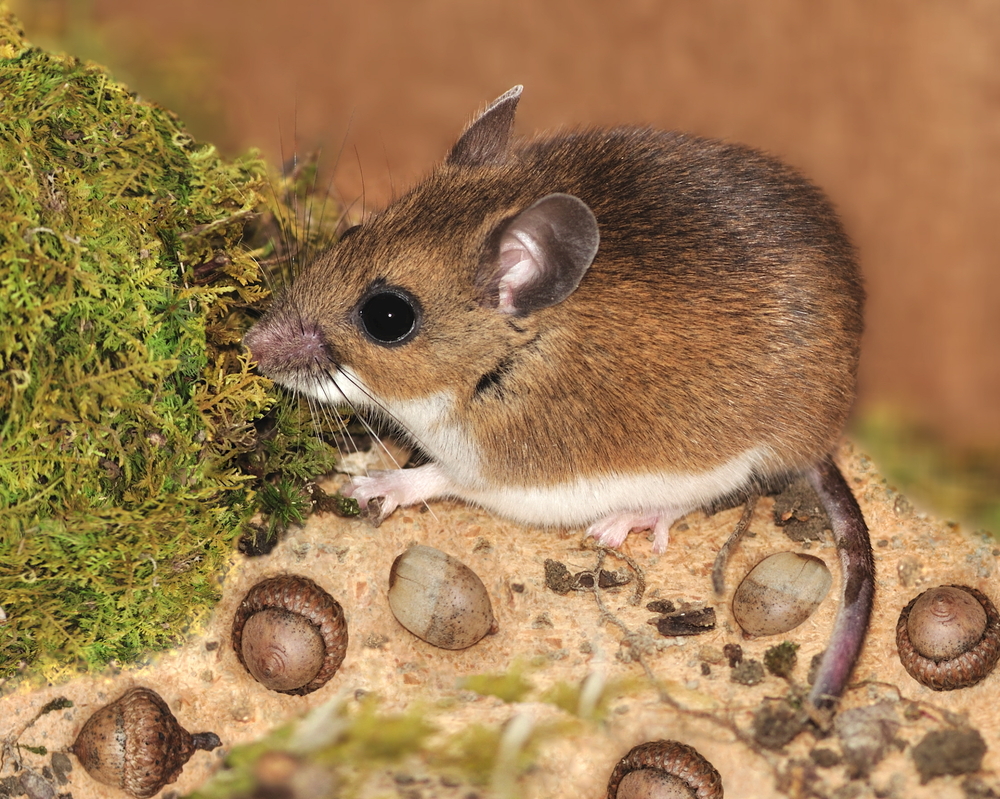
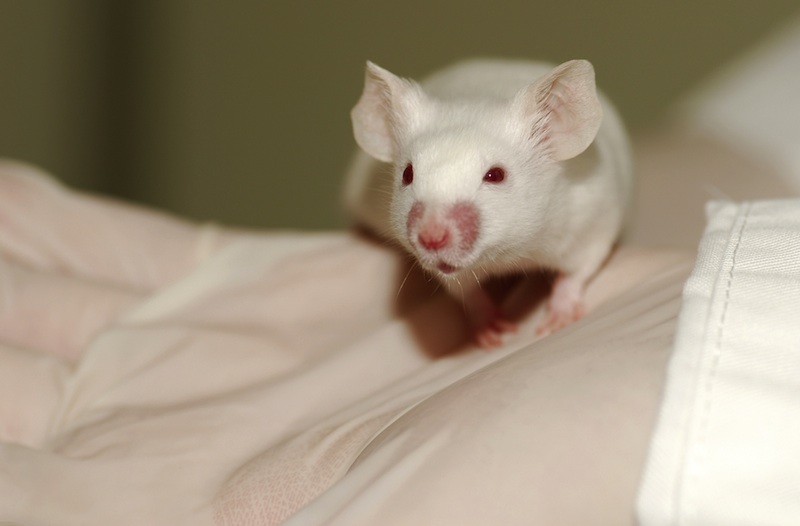
Mice come in a wide variety of colors and sizes. Some common mice colors are white, brown and gray. Some are very tiny and others are around the size of a baked spud.
Mice typically grow from 1 to 7 inches (two.54 to eighteen centimeters) in length and counterbalance betwixt 0.5 and one ounce (.23 to .028 kilograms). The African pygmy is the smallest known mouse on the planet. It measures 1.2 - iii.i inches (3.04 to 7.874 cm) and tin can weigh less than .35 ounces (.01 kg). These measurements do non include tail length. Some mice take tails that are as long as their bodies.
Where practise mice live?
Mice are hardy creatures that are found in well-nigh every country and type of terrain. They can alive in forests, grasslands and manmade structures easily. Mice typically make a couch cloak-and-dagger if they alive out in the wild. Their burrow helps protect them from predators. Their natural predators are cats, birds, wild dogs and foxes.
Mice are nocturnal, pregnant they like to sleep during the mean solar day. This is why pet mice or house mice can be heard playing or foraging during the dark. Most wild mice are timid toward humans and other animals, but they are very social with other mice. Domestic mice are very friendly toward humans and can brand good pets for older children and adults.
According to the RSPCA, mice are very territorial. Even domestic mice like to have a large area that they can claim as their own.
What do mice eat?
If you lot believe what you see in cartoons, you would think that mice eat cheese. Actually, they like to eat fruits, seeds and grains. They are omnivorous, which means they swallow both plants and meat, and the common house mice will eat just nigh anything it can find. In fact, if food is scarce, mice will even eat each other.
Mice have voracious appetites. They eat around 15 to twenty times per day, so they build their homes nearby places that have readily accessible nutrient sources.
Baby mice
When homes are infested with mice, humans will oft observe chewed upwardly wires, books, papers and insulation around their home. Mice aren't eating these items, they are chewing them into pieces that they tin use to brand their nests. This is considering mice nests are made from whatever the female mouse tin discover.
At around iv to 7 weeks one-time, a female person mouse will mate and have young. She will carry her young for 19 to 21 days and give nascence to four to a dozen babies, according to the Academy of Florida. Mice tin have a new litter of babies every 3 weeks.
Mice have unusual names. Females are does, males are bucks and babies are chosen pinkies because of their bright pinkish color. Baby mice are also called pups.
Pet mice tin live up to six years, while wild mice ordinarily simply alive around i to ii.five years.
Nomenclature/taxonomy
Co-ordinate to the Integrated Taxonomic Information System (ITIS), the taxonomy of mice is:
- Kingdom: Animalia
- Phylum: Chordata
- Class: Mammalia
- Club: Rodentia
- Suborder: Myomorpha
- Family: Muridae
- Subfamilies: Murinae (Old World rats and mice), Sigmodontinae (New World rats and mice)
- Genera & species: Hundreds, includingMus muscle (house mouse),Apodemus flavicollis (xanthous-necked field mouse),Apodemus sylvaticus (wood mouse),Peromyscus maniculatus (deer mouse),Micromys minutus (Eurasian harvest mouse) andMuscardinus avellanarius (hazel dormouse)
Conservation status:
Most mice have salubrious populations, though in that location are a few species that are endangered, such as the Alabama embankment mouse. Massive hurricanes in past years have almost wiped out their natural habitat. New Mexico's jumping mouse is also endangered due to wildfires, drought and other threats.
Other facts
Mice are much like humans in how their bodies and minds work. This is why laboratories use mice as test subjects for medicines and other items that may be used on humans. Nearly all mod medicine is tested on mice before they go to man medical trials.
Mice are tough little creatures when they have their minds assail a crunchy scorpion snack. They tin withstand multiple scorpion bites.
Mice tin feel temperature changes and alterations in footing terrain through their whiskers.
While communicating with each other, mice make ultrasonic also equally regular sounds.
About mice are very practiced jumpers. They can jump near 18 inches (46 cm) in the air. They also are talented climbers and swimmers.
A mouse's center can beat 632 beats per infinitesimal. A human heart but beats threescore to 100 beats per minute.
A wood mouse will shed its tail if the tail is caught by a predator.
Nina Sen contributed to this article.
Other resources:
- Humane Society of the United States - Mouse
- BBC Nature - Mouse
- Orkin- Mouse Facts

Alina Bradford is a contributing author for Live Science. Over the past 16 years, Alina has covered everything from Ebola to androids while writing wellness, science and tech manufactures for major publications. She has multiple wellness, prophylactic and lifesaving certifications from Oklahoma State University. Alina's goal in life is to endeavor as many experiences as possible. To date, she has been a volunteer firefighter, a dispatcher, substitute teacher, artist, janitor, children's book writer, pizza maker, outcome coordinator and much more.
Source: https://www.livescience.com/28028-mice.html
0 Response to "____ Are Essentially Upside-down Mice That Can Be More Comfortable to Use Than a Conventional Mouse."
Post a Comment